
What Are Roof Warranties and Why Do They Matter?
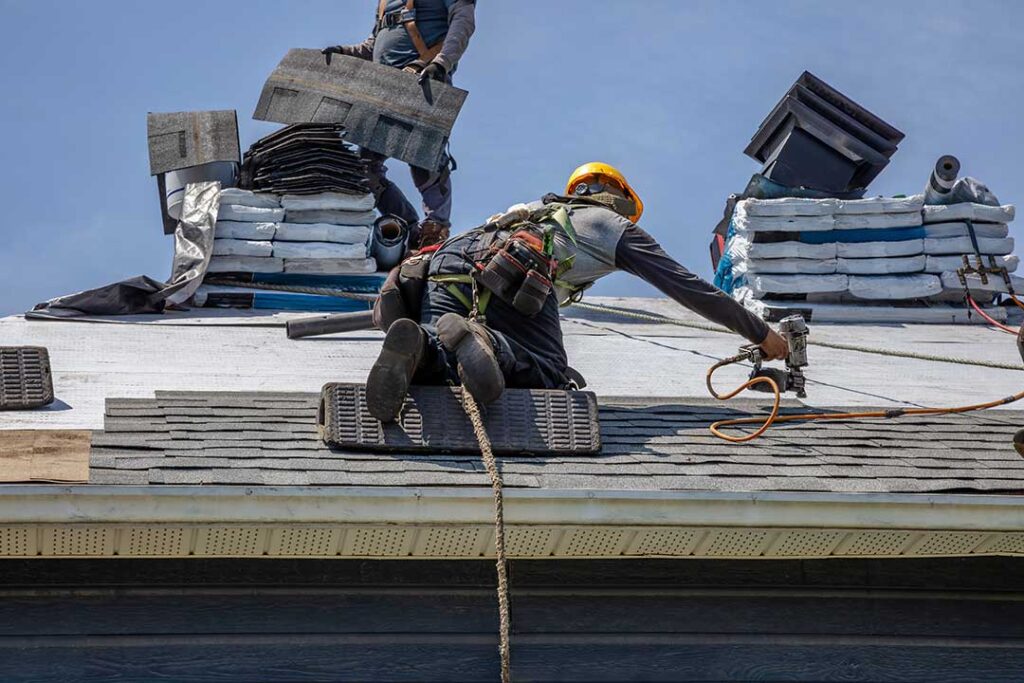
Roof warranties are contracts that promise some level of repair or replacement if your roofing system fails within a certain time frame. Local residents often ask about warranties when planning for a new roof or facing repairs. In Pine City, a warranty can provide peace of mind against both unexpected defects and some types of damage.
In this area’s climate, with four distinct seasons including heavy winter snow and spring thunderstorms, a warranty isn’t just a piece of paper—it's a layer of protection that can help manage future risks and costs. However, not all warranties are the same, and it's easy to misunderstand what is actually covered.
What Types of Roof Warranties Might You Encounter?
Most area homes are protected by two common types of warranties:
- Manufacturer Warranty: Covers defects in roofing materials themselves, such as shingles that crack, warp, or fail prematurely.
- Workmanship Warranty: Covers installation quality, ensuring the roof was put on correctly. These are often issued by the installer rather than the manufacturer.
Some roofing systems may also include "system" or "comprehensive" warranties, but these usually blend elements of the two types above. Homeowners sometimes assume these broader warranties cover everything—which is rarely true.
How Long Do Roof Warranties Typically Last in Pine City?
Most standard manufacturer warranties for asphalt shingles in Pine City, NY range from 20 to 30 years. Premium roofing materials may offer longer terms. However, real-world longevity can differ due to weather exposure, attic ventilation, or the presence of trees overhanging the roof.
Workmanship warranties usually last 1 to 10 years, depending on the installer’s policies. Residents should review any documents received after installation, as local companies each set their own terms.
What Is Usually Covered—And What Is Not?
A common misconception is that a warranty covers any damage. Most only guarantee against specific issues:
- Manufacturer warranties typically protect against manufacturing defects like premature shingle failure under normal use.
- Workmanship warranties usually only cover errors during installation—such as missed flashing or improper nail placement.
Common exclusions across warranties in this region include:
- Storm or hail damage
- Wind speeds above specified limits (often below the gusts Pine City occasionally experiences)
- Damage caused by lack of proper attic ventilation or neglecting maintenance
- Leaks from clogged gutters or ice dams
Since weather can be unpredictable, especially with heavy snow loads or freeze/thaw cycles, these exclusions matter in the local context.
What Voids a Roof Warranty?
Certain actions or conditions can void a warranty. This is an important detail area homeowners tend to overlook.
Frequent reasons for losing coverage:
- Installing a satellite dish or solar panels improperly
- Layering new roofing over old without following manufacturer procedures
- Neglecting routine maintenance (such as cleaning out gutters)
- Using non-approved products for repairs
In Pine City, some homes have chimneys or roof features that create extra risk for leaks. Cutting into a roof to install vents or skylights after the fact can also cause issues if not handled correctly.
Are Warranty Claims Easy to Make?
Filing a claim is generally not as simple as showing a leak. The homeowner will be expected to provide paperwork, photos, and proof of routine maintenance.
Manufacturers or installers may send out an inspector who will look for evidence that:
- Products were used and maintained as specified
- Installation was not altered after the fact
- Any damages fall within the coverage terms
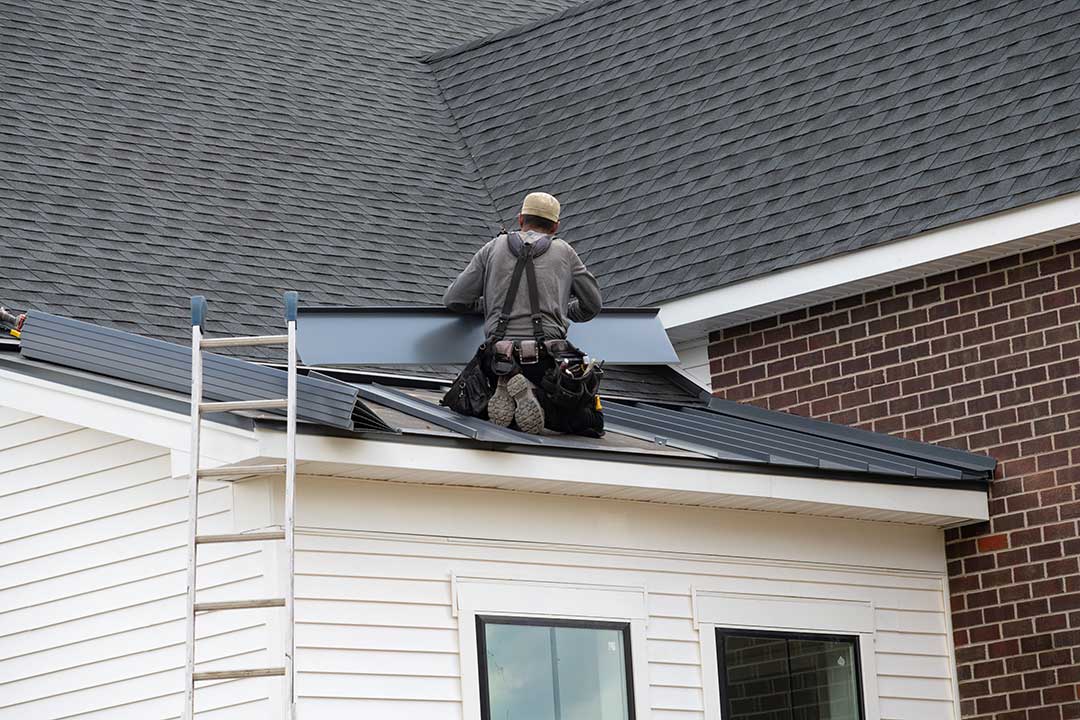
Given changing seasonal conditions in the community—from hot, humid summers to heavy, wet snow in winter—maintaining clear documentation is essential for a successful claim.
Do Warranties Transfer If You Sell Your Home?
Transferability is often overlooked until a home in the area changes hands. Some warranties transfer to the next owner, but requirements may include:
- Notifying the manufacturer or installer within a set number of days after closing
- Possible transfer fees
- Limited protection for the subsequent owner, sometimes with a shorter term
For buyers in Pine City, asking about warranty status when purchasing a home can prevent future headaches.
How Do Local Conditions Affect Coverage?
Seasonal weather extremes in the city can test even a well-installed roof. Snow accumulation, ice dams, and rapid freeze-thaw cycles cause many failures that typical warranties exclude.
Asphalt shingles respond differently to UV and moisture exposure in this region than in a milder climate. Moss growth, tree debris, and heavy spring rains can all lead to issues—some of which aren’t warranty-covered.
Homeowners should read warranties carefully to see how local risk factors, like wind and snow load, affect their protection.
What Steps Should Residents Take to Maintain Coverage?
To keep any existing coverage valid:
- Keep a maintenance log (date and type of inspection or minor fix)
- Take clear photos of the roof after storms or as part of yearly checks
- Clean gutters and downspouts regularly
- Use products and repair methods approved by the original manufacturer
For homes typical in Pine City—older capes and ranches with mature trees—branches and shade can accelerate wear, so pruning and debris clearing are key.
