
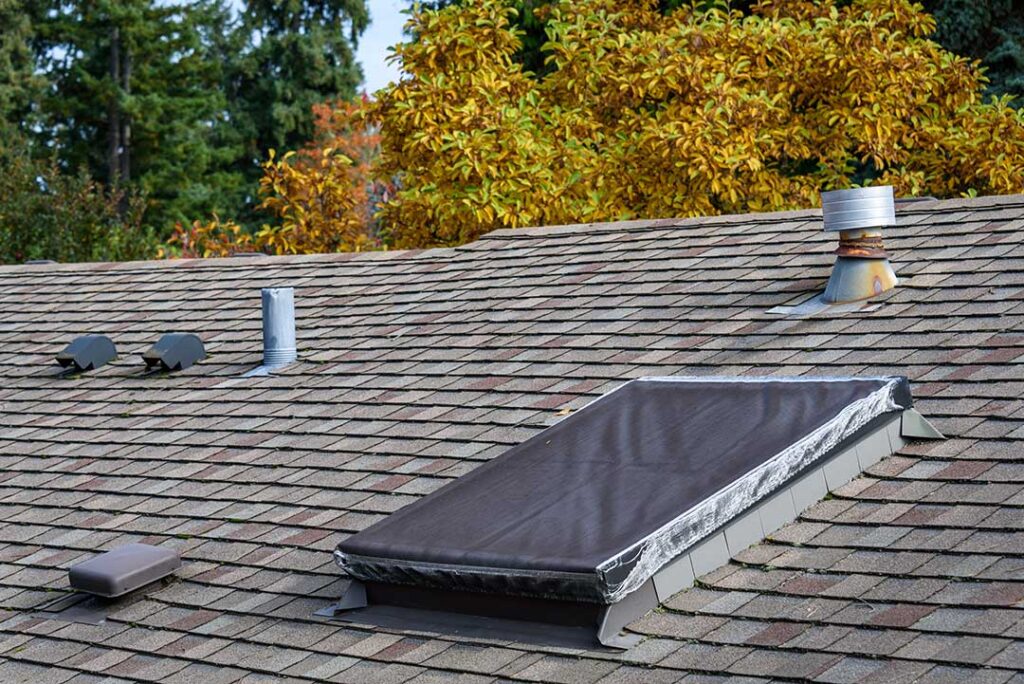
Why Do Tree Limbs Pose a Risk to Roofs in Pine City, NY?
Overhanging tree limbs can have a surprisingly significant impact on roofs throughout Pine City, NY. Local weather patterns combined with the region’s common hardwoods and evergreens create unique challenges for area homes.
When branches hang over a roof, they do more than cast shade. Regular movement from wind, accumulation of organic debris, changing seasons, and local wildlife all interact with the structure in ways that can reduce the life of roofing materials or cause hidden issues.
How Can Tree Limbs Cause Physical Roof Damage?
Tree limbs rubbing directly against shingles, metal panels, or membrane roofs will eventually wear down materials. This is commonly seen after windy spells, especially in parts of the city where oaks, maples, or pines grow close to houses.
- Repeated movement can scrape granules from asphalt shingles, making them deteriorate faster.
- Large limbs can break and fall during storms, potentially denting, puncturing, or tearing roofing materials.
- Gutters and flashing may bend, pull loose, or fill with debris when overloaded by dropped branches.
While some residents may think lighter foliage isn’t a threat, even small twigs and leaf piles can collect in valleys and roof edges, trapping moisture and hastening material failure.
Do Tree Limbs Increase the Risk of Moisture Problems?
Yes, overhanging limbs can trap moisture on a roof in several ways. In Pine City, roofs often face heavy spring rainfall and humid summers that combine with shade from nearby trees.
- Shaded areas dry more slowly after rain, encouraging moss, algae, and lichen growth.
- Buildup of leaves and needles in valleys and gutters can create damming, leading to water backup and leaks.
- Prolonged moisture contact weakens shingle adhesives and underlayment, creating small paths for water intrusion.
Persistent dampness can be hard to spot from the ground. Over time, these conditions spur wood rot in decking or hidden leaks that only become noticeable after significant damage.
Can Tree Limbs Attract Wildlife to the Roof?
Roof-to-tree “bridges” entice squirrels, raccoons, and insects to venture onto local rooftops more frequently. In heavily wooded neighborhoods in Pine City, this can become a recurring challenge.
- Squirrels use limbs as highways, sometimes gnawing at roof edges or vent screens.
- Birds may nest under eaves or in clogged gutters, contributing additional debris.
- Carpenter ants and termites can gain access to attic spaces if limbs allow them to bypass structural barriers.
Homeowners sometimes underestimate how easily pests use tree branches to reach vulnerable areas, even if those areas are several feet above ground.
Are There Specific Local Factors That Make This More Serious?
The tree species and weather patterns specific to Pine City amplify these issues. For example, many area yards feature maples, which shed copious leaves every fall, and pines that drop sticky needles year-round. Strong spring winds and wet snow in winter can also snap larger limbs, unexpectedly increasing risk.
Local homes built in wooded lots or with mature landscaping are more likely to experience these problems. Neighborhoods with older housing stock may also have gutters or roofs more susceptible to cumulative damage if tree management has been neglected.
What Misconceptions Do Pine City Residents Commonly Have?
Residents sometimes believe that as long as limbs don’t actually touch the roof, there’s no threat. In reality:
- Even limbs a few feet away can still deposit leaves and seeds, especially during storms.
- Small branches may droop or whip against shingles during heavy rain or snow loads.
- Tree roots causing shifts in soil and drain paths can indirectly affect roof performance by altering water flow and gutter effectiveness.
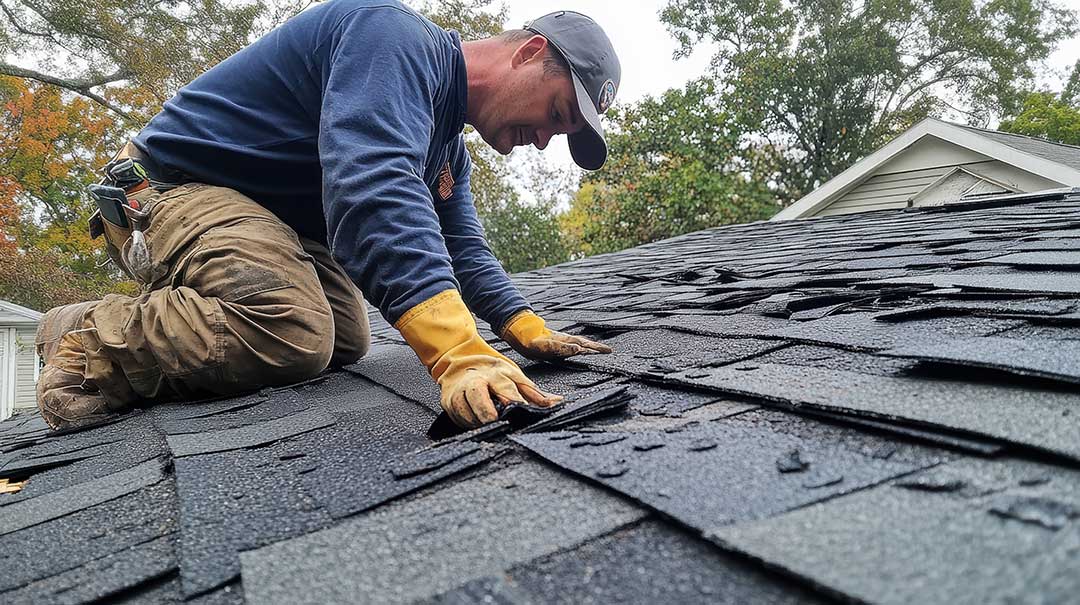
Another common misconception is that trimmed trees “once” are problem-free. Due to rapid regrowth in the region’s climate, many fast-growing trees can encroach a roofline within just a season or two.
How Can Residents Assess Tree Risk Without Climbing?
Visual checks from the ground can reveal a lot about tree limb hazards. Homeowners should look for:
- Branches that overhang the eaves, valleys, or chimney area.
- Piles of twigs, seeds, or leaves accumulating in gutter downspouts or at the base of the downspout.
- Areas of the roof that stay damp, mossy, or dark longer than others after rain.
- Animal tracks or claw marks along gutter edges.
If a roof is not safely accessible, using binoculars from the yard can help spot larger problems.
What Practical Steps Can Residents Take?
Area households can limit risk through seasonal tree and roof care:
- Regularly prune branches so they remain at least 8-10 feet from the roof’s surface when fully leafed out.
- Remove leaf and debris buildup from gutters and downspouts several times per year, especially after major storms or during late autumn.
- Inspect the roof for patches of moss, algae stains, or loose shingles—these often signal moisture retention from overhead foliage.
- If large limbs pose a risk of falling, especially during Pine City's winter storms, collaborate with neighbors to address shared trees close to property lines.
In most cases, maintaining tree health and roof cleanliness goes a long way toward preventing expensive and avoidable damage.
