
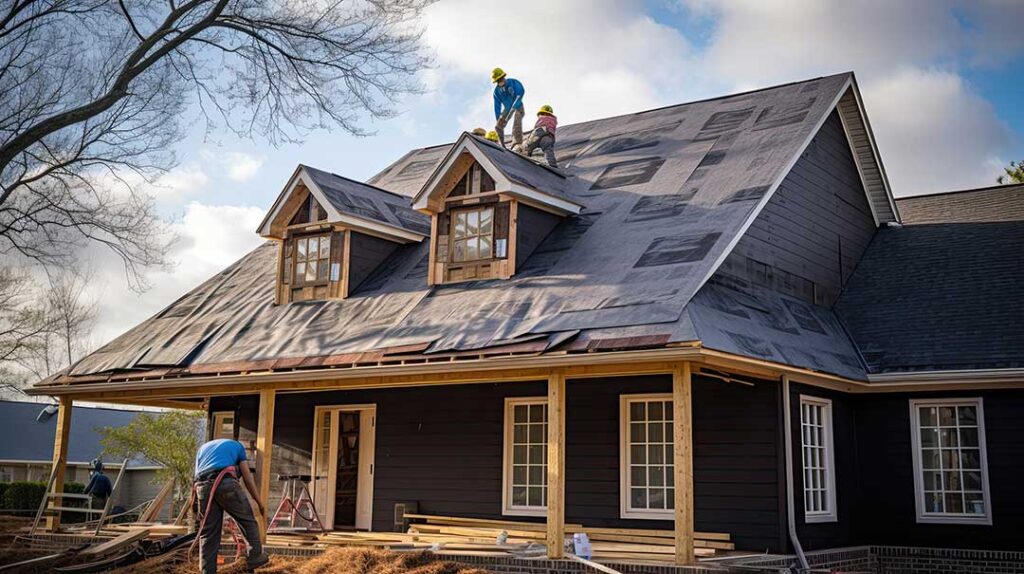
What Does “Preparing a Roof for Winter” Mean in Pine City, NY?
Preparing a roof for winter means taking proactive steps to minimize seasonal risks such as leaks, ice dams, and structural strain from snow. This matters for Pine City because local winters bring frequent freeze-thaw cycles, icy conditions, and occasional heavy snow, all of which impact roofs differently than in warmer climates.
In Pine City, roofs on many homes—especially older or uninsulated ones—are prone to issues if neglected before winter. To avoid emergencies during a storm or deep freeze, steps taken before winter arrives can preserve both the roof’s lifespan and household comfort.
How Should Residents Inspect Their Roofs Before Winter?
Residents should carry out a visual inspection, ideally on a clear, dry day. In most cases, a simple walk-around of the house and a glance from the ground provides a good start, especially for those uncomfortable with ladders.
Key things to look for:
- Missing, cracked, or curled shingles—signs that water might seep under if snow accumulates
- Accumulations of moss or lichen, which may indicate moisture retention
- Damaged or detached flashing around chimneys and vents
- Excess debris or leaf buildup, especially in valleys and near gutters
Misconception: Many assume that small shingle cracks or minor moss patches aren’t urgent. In Pine City’s winter, minor problems can quickly worsen with cycles of melting and refreezing. Addressing them promptly prevents more costly repairs later.
Do Gutters and Downspouts Need Special Attention?
Yes, gutters and downspouts are especially critical, as they direct water off the roof and away from the foundation. If leaves or debris block the flow, melting snow can pool and freeze, causing ice dams that back water up under the roof edge.
Before winter:
- Clean gutters and downspouts thoroughly—late fall is ideal, after most leaves are down
- Check that gutter brackets are secure and that downspouts discharge away from the house foundation
- Inspect seams for leaks and repair minor splits or separations
Even in newer homes, a blocked downspout in Pine City can lead to ice sheets that detach gutters or force water under shingles.
What About Roof Ventilation and Attic Insulation?
Proper attic ventilation and insulation help keep the roof surface cold and minimize uneven melting—a main cause of ice dams in Pine City homes.
Start by checking:
- Attic insulation depth: Inadequate coverage lets warmth escape, melting the underside of the snow unevenly
- Roof vents and soffit openings: Blockages here trap moist air, leading to condensation and mold
Pine City residents sometimes overlook the attic as part of winter prep. However, making sure insulation meets local guidelines and vents remain unobstructed can dramatically reduce attic moisture and ice dam risk. Even placing a thermometer in the attic on a cold day—comparing inside air to outside air—can be a useful test to spot trouble.
How Can Residents Safely Remove Debris or Overhanging Branches?
Clearing leaves, branches, and other debris helps prevent buildup and potential damage under snow cover. For minor accumulations:

- Use a plastic roof rake or soft broom—avoid metal shovels that may damage shingles
- Trim tree limbs back at least six feet from the roof edge to prevent scraping or sudden limb breakage under snow load
For residents in pine-heavy neighborhoods, needles may clog valleys or gutters faster than leaves in late fall. Take care to remove these as well, since pine needles retain moisture and freeze into slippery mats.
If high branches are out of easy reach or close to power lines, local, licensed help is necessary due to safety concerns.
Are There Special Considerations for Older or Historic Homes?
Older housing stock in Pine City sometimes features steeper pitches, intricate details, or masonry chimneys that can become leaky or unstable after heavy snow or ice.
Those living in these homes should:
- Pay extra attention to flashing and mortar joints around chimneys
- Ensure roof-to-wall intersections have intact kick-out flashing
- Make note of ice or icicle formation after early storms—these can signal heat loss or melting patterns that require addressing
Routine late-fall inspections and touch-ups help preserve unique architectural details and prevent small leaks from turning into water-damaged ceilings or interior rot.
What If Damage or Leaks Are Already Noticed?
If there are signs of damage—such as visible leaks, dark patches on interior ceilings, or obvious missing shingles—temporary patches can help minimize water entry until full repairs are possible. Use roofing tape, tarps, or sealants for quick fixes, but only if safe to do so, especially in cold or icy conditions. If the hazard is too great, it’s safest to wait until weather permits a proper repair.
It’s a misconception that any minor leak will wait until spring. In Pine City’s climate, freeze-thaw expands even small cracks, so interim protective measures are warranted.
How Often Should Preparations Be Repeated or Checked?
Winter prep is most effective as a late autumn routine, but checking the roof after significant storms or mid-winter thaws is also smart. Occasionally, strong wind or sudden temperature swings shift shingles or debris, necessitating extra attention. Quick checks throughout the cold season help catch problems before they grow.
